Black Paper Cut Background Technology: A Visual Design Evaluation
In the evolving landscape of digital and print design, Black-paper-cut-background Technology has emerged as a distinct aesthetic approach that merges traditional craftsmanship with modern digital capabilities. This style is characterized by high-contrast imagery where intricate shapes are rendered against a deep, often matte black backdrop, simulating the texture and depth of layered paper. While initially rooted in physical art forms, this concept has been adapted into digital workflows to create dynamic, luxury-oriented visuals for web interfaces, branding materials, and promotional banners.
For designers and business owners evaluating visual assets, understanding the mechanics and applications of this style is crucial. It is not merely a color choice but a complex interplay of light, shadow, geometric patterns, and material simulation. The following analysis explores the utility, benefits, and limitations of incorporating Black-paper-cut-background elements into professional projects.
Understanding the Core Concept
At its foundation, this technology relies on the principle of negative space and layering. Unlike standard flat vector graphics or photorealistic 3D renders, the black paper cut aesthetic mimics the physical process of cutting layers of paper and stacking them to create depth. In a digital context, this is achieved through sophisticated gradient manipulation, drop shadows, and precise pathing to simulate the thickness of the material.
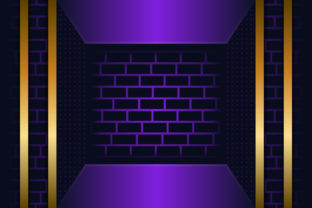
The resulting image typically features a dark, void-like background that serves as a stage for lighter or metallic elements. These elements appear to be suspended in space, creating a sense of volume without the heavy rendering times associated with full 3D modeling. The style often incorporates geometric shapes, abstract lines, and decorative motifs that emphasize structure and elegance. By utilizing a dark theme, the design naturally draws the eye to the illuminated or textured foreground elements, creating a focal point that feels both modern and timeless.
Why Professionals Choose This Aesthetic
Organizations seeking to project an image of sophistication often gravitate toward this style. The primary driver for selecting Black-paper-cut-background Technology is its ability to convey luxury and exclusivity. The combination of deep blacks and sharp contrasts suggests a premium quality product or service, making it a popular choice for high-end fashion, technology launches, and corporate annual reports.
Beyond aesthetics, there are practical reasons for its adoption:
- Visual Hierarchy: The stark contrast between the dark backdrop and the cut-out elements allows designers to guide user attention effectively. Important information stands out immediately.
- Brand Differentiation: In a digital environment saturated with bright, colorful gradients and soft neumorphism, a bold black-and-white paper cut style offers a unique identity that helps brands stand out.
- Versatility: This style translates well across various media. Whether used as a wallpaper for mobile devices, a cover for a digital magazine, or a decorative element in a presentation template, the core concept remains consistent.
Benefits and Technical Considerations
One of the most significant advantages of using this technology is file efficiency. Because the style often relies on vector-based paths and simulated shadows rather than heavy photographic textures, the resulting files can be optimized for rapid loading on the web. This is particularly beneficial for businesses prioritizing site speed and user experience.
Furthermore, the texture inherent in the paper cut look adds a tactile quality to digital screens. It breaks the monotony of flat design, providing a sense of tangibility that pure digital graphics sometimes lack. When executed correctly, the interplay of light and shadow creates a dynamic feel that engages users more deeply than static images.
However, there are tradeoffs to consider. Achieving the illusion of depth requires a high level of technical skill. Poorly executed shadows can make an image look muddy or artificially thick, detracting from the intended sleekness. Additionally, the reliance on high contrast means that accessibility must be carefully managed. Text placed over complex paper cut backgrounds may suffer from readability issues if the contrast ratio does not meet WCAG standards.
Ideal Use Cases
This visual strategy is particularly strong fit for specific industries and scenarios. It excels in sectors where heritage meets innovation, such as automotive design, luxury real estate, and architectural firms. For these industries, the material quality implied by the paper cut style reinforces messages of precision and durability.
In the realm of digital marketing, it is highly effective for landing pages designed to convert high-value leads. The modern and abstract nature of the design keeps the interface feeling fresh, while the dark theme reduces eye strain during prolonged viewing sessions. It is also an excellent choice for event invitations and ticket designs, where the decoration needs to feel substantial and exclusive.
When to Consider Alternatives
Despite its strengths, Black-paper-cut-background Technology is not a universal solution. There are situations where other design approaches may serve the project better. For instance, if a brand's core message relies on transparency, openness, and friendliness, a dark, heavy aesthetic might inadvertently create a barrier. Brands targeting younger demographics who prefer vibrant, playful, or minimalist interfaces may find the intricate details of paper cuts overwhelming or outdated.
Additionally, for projects requiring frequent content updates, the complexity of maintaining a custom paper cut library can be a burden. If a website requires constant changes to its hero images, a simpler, more modular design system might offer greater long-term flexibility. Similarly, if the target audience includes users with visual impairments, the heavy use of shadows and low-contrast areas could pose significant challenges unless rigorously tested.
Decision-Making Insights
Selecting the right visual direction involves balancing artistic intent with functional requirements. Before committing to a Black-paper-cut-background theme, stakeholders should ask several key questions. Does the current brand identity support a high-contrast, dramatic look? Will the added visual complexity distract from the primary call-to-action? Is the development team capable of optimizing these assets for fast performance?
To make an informed decision, it is advisable to create a small set of prototypes. Test the design on different devices to ensure the gradient and shadow effects render consistently. Evaluate how the style holds up when paired with different typography styles; some fonts complement the sharp lines of paper cuts, while others may clash. Finally, consider the lifecycle of the content. If the design is meant to be evergreen, the timeless nature of the black and white palette is a benefit. If it is tied to a fleeting trend, the investment in custom illustration may not yield sufficient return.
In conclusion, Black-paper-cut-background Technology represents a powerful tool in the designer's arsenal. It bridges the gap between analog tradition and digital innovation, offering a sophisticated way to present complex ideas. By carefully weighing the benefits of luxury and depth against the potential costs of complexity and accessibility, organizations can determine if this style aligns with their strategic goals. When applied with intention and technical precision, it transforms a simple background into a compelling narrative element that elevates the entire creative project.