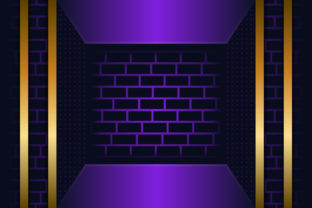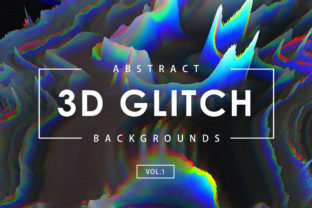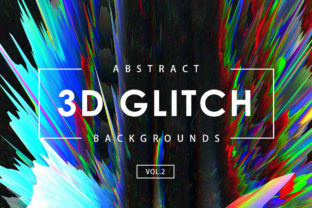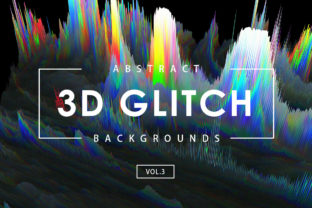
Abstract 3D Polygon Backgrounds
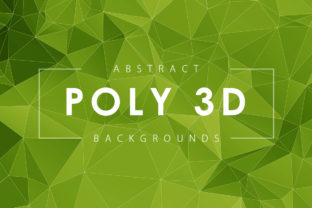
If you have ever scrolled through a design portfolio or stared at a corporate presentation deck and thought, "This looks too flat," the solution often lies in adding depth without clutter. Abstract 3D Polygon Backgrounds offer exactly that: a geometric texture that adds sophistication and modernity to any visual project. These are not just random patterns; they are carefully constructed landscapes of triangles and planes that create a sense of movement and dimension.
The specific collection featuring 25 different colors at a massive 5120x2880 pixels resolution is more than just a wallpaper option. It is a versatile asset library designed to elevate everything from a simple social media post to a high-stakes marketing campaign. Whether you are a freelancer trying to stand out on a crowded marketplace or a small business owner looking to refresh your brand identity, understanding how to leverage these high-resolution textures can transform a generic layout into something memorable.
Why Resolution Matters in Modern Design
In an era where screens range from tiny smartphone displays to massive 8K monitors, pixelation is the enemy of professionalism. When you use low-quality images as backgrounds, they blur or pixelate when scaled up, instantly ruining the credibility of your work. The 5120x2880 pixel specification ensures that no matter where you display these backgrounds, the edges remain crisp and the geometry stays sharp.
This level of detail is crucial for print projects. If you decide to turn a flyer or a poster into a physical product, standard web resolutions often fail to produce clean lines. With this ultra-high definition, you can print large format banners or brochures without worrying about jagged edges. The JPEG format used here strikes a balance between file size and quality, making it easy to download and manage while retaining the necessary fidelity for professional output.
Real-World Applications for Creators and Entrepreneurs
Understanding the technical specs is only half the battle; knowing where to apply them is what makes the difference. Here is how different users actually utilize Abstract 3D Polygon Backgrounds in their daily workflows.
Digital Marketing and Social Media
For marketers and content creators, attention spans are short. A plain white background on an Instagram story or a Facebook ad might get lost in the feed. By overlaying a subtle polygon texture, you create a visual anchor that draws the eye. The 25 different colors allow you to match your brand palette perfectly. You can use a deep blue geometric pattern for a tech newsletter header or a vibrant orange mesh for a summer sale banner. Because the resolution is so high, you can crop these images to fit various aspect ratios—square for posts, vertical for stories, and horizontal for cover photos—without losing quality.
Print Materials and Physical Products
Small business owners often struggle with the cost of custom graphic design. Using these backgrounds as a base for invitations, flyers, and posters is a cost-effective strategy. Imagine designing a wedding invitation with a sophisticated dark grey polygon background and gold text; it immediately communicates elegance. Similarly, for event organizers, these backgrounds serve as excellent templates for ticket designs or stage backdrops. The texture adds weight to the design, making it feel substantial rather than cheap.
Cover Art and Digital Publishing
Authors, podcasters, and educators need strong visuals to represent their content. A book cover or a course thumbnail needs to pop on a digital shelf. Abstract 3D geometries suggest structure, logic, and innovation, which works exceptionally well for non-fiction books, business courses, or tech podcasts. You can place your title over the darker areas of the image to ensure readability while using the lighter polygons to frame the composition.
Enhancing Photography and Artwork
One of the most underutilized features of these backgrounds is their ability to act as overlays for photos and artworks. Photographers often struggle with empty skies or boring studio backdrops. Instead of spending hours editing out distractions, you can composite a subject against a stunning 3D polygon scene. This technique creates a surreal, artistic vibe that is very popular in contemporary digital art.
Artists can also use these textures as a base layer in Photoshop or Illustrator. By changing the blending mode to "Overlay" or "Soft Light," the geometric pattern interacts with your hand-drawn elements, giving them a textured, almost metallic finish. This is particularly effective for creating album covers, merchandise designs, or limited edition prints.
Choosing the Right Color for the Right Mood
The inclusion of 25 different colors is not just a number; it is a strategic advantage. Each hue carries psychological weight and influences how your audience perceives your message.
- Professional and Corporate: Blues, greys, and silvers convey trust, stability, and innovation. These are ideal for financial reports, SaaS landing pages, and conference presentations.
- Energetic and Creative: Reds, oranges, and purples stimulate excitement and creativity. Use these for entertainment industry materials, creative agency portfolios, or youth-oriented campaigns.
- Calm and Minimalist: Pastels, whites, and soft teals create a sense of peace and clarity. These work beautifully for wellness blogs, lifestyle magazines, or educational materials.
When selecting a color, consider the contrast with your foreground text. A bright yellow polygon background might look amazing but will make white text unreadable. Always test your typography against the chosen background to ensure accessibility and legibility.
Practical Considerations Before You Start
Before diving into your next project with these assets, there are a few practical steps to take to ensure success. First, verify the licensing terms. While many high-resolution backgrounds are available for personal and commercial use, some may require attribution or have restrictions on resale. Understanding the rules prevents legal headaches later.
Second, think about the file management aspect. Since these are high-resolution JPEGs, they can be larger files than standard web graphics. Organize your folder structure by color or theme so you don't waste time searching for the perfect shade of teal when you are in the middle of a deadline. Third, always keep a backup of the original 5120x2880 file. If you start working with a downsized version, you cannot upscale it later without losing quality. Always edit from the source.
Bridging the Gap Between Concept and Execution
The beauty of Abstract 3D Polygon Backgrounds lies in their versatility. They bridge the gap between complex 3D modeling software and simple graphic design tools. You do not need to be a 3D artist to create a scene that looks like it was modeled in Cinema 4D or Blender. These pre-made assets provide the heavy lifting, allowing you to focus on the storytelling aspect of your design.
Whether you are building a website template, designing a business card, or creating a digital artwork, these backgrounds add a layer of polish that separates amateur efforts from professional work. They provide a consistent aesthetic that ties disparate elements together, creating a cohesive visual language for your brand or project.
By integrating these high-resolution textures into your workflow, you are not just filling space; you are setting a tone. You are telling your audience that you care about details, that you value quality, and that you are willing to invest in the visual experience. In a crowded digital landscape, that distinction is everything.
So, the next time you open your design software and stare at a blank canvas, remember that the right background can change everything. Explore the 25 colors, experiment with the scales, and see how these abstract shapes can bring your ideas to life. From the smallest flyer to the largest billboard, the potential is limitless.