The Evolution of Wedding-invitation Label-card-design: A Strategic Asset for Modern Celebrations
In the dynamic landscape of event planning and digital marketing, few elements carry as much weight as the wedding-invitation label-card-design. This specific niche represents more than just a decorative element; it is a critical touchpoint where aesthetic precision meets functional communication. For professionals, creators, and entrepreneurs navigating the intersection of romance and commerce, understanding the nuances of this design category is essential for delivering value in a saturated market.
As we move through February, a month traditionally dominated by themes of love and celebration, the demand for high-quality visual assets spikes. Whether for a romantic Valentine's Day promotion or the start of wedding season, the need for sophisticated template solutions has never been higher. The modern consumer does not merely want a piece of paper; they seek an experience that begins with the first glance at a card or a banner.
Defining the Intersection of Art and Utility
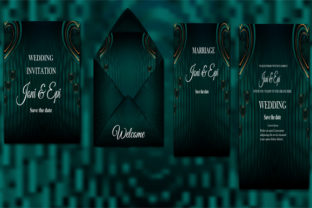
At its core, a wedding-invitation label-card-design is a specialized graphic asset intended to convey information with elegance and clarity. Unlike generic greeting cards, these designs are often characterized by intricate details, such as vector illustrations, 3d rendering effects, and bespoke typography. They serve as the primary identifier for an event, setting the tone before the ceremony even begins.
The term encompasses a wide array of formats, from physical brochure inserts to digital flyer assets used in online advertising. In the context of the current market, the definition has expanded to include interactive elements. A modern label card might feature a frame that animates upon hovering or a background that shifts based on user interaction. This evolution reflects a broader shift in how people perceive romance and celebration in the digital age.
Consider the role of the label itself. Historically, labels were simple tags indicating price or origin. Today, in the realm of weddings and holidays, a label acts as a symbol of exclusivity. It tells the recipient that this invitation is special, designed specifically for them. The use of red and white color palettes, often associated with valentine's day and purity, creates an immediate emotional connection. When combined with heart symbols and balloon motifs, the design transcends mere decoration to become a narrative device.
Market Trends and Consumer Expectations
Why are professionals paying attention to this specific design category? The answer lies in the changing needs of the market. Consumers today are inundated with visual stimuli. To cut through the noise, brands and individuals alike require assets that are not only beautiful but also strategically sound. The rise of social media has turned every wedding invitation into a potential piece of content. A well-designed poster or greeting card is likely to be shared, extending the reach of the event organically.
This phenomenon has driven a surge in demand for realistic yet stylized designs. Clients no longer settle for flat, two-dimensional graphics. Instead, they seek 3d elements that add depth and texture, making the design feel tangible. This trend is evident in the popularity of decorative decoration elements like ribbons, lace patterns, and embossed textures that mimic real-world materials.
Furthermore, the integration of technology has transformed the workflow of designers and marketers. The ability to create abstract backgrounds that can be easily customized allows for rapid iteration. A freelancer working on a promotion for a local florist can take a base template, adjust the price tag, change the offer details, and generate a unique voucher in minutes. This efficiency is crucial for meeting tight deadlines during peak seasons like February.
The Business of Romance: Leveraging Design for Growth
For entrepreneurs and marketers, the wedding-invitation label-card-design is a powerful tool for driving revenue. It is not uncommon to see these designs utilized in sale campaigns, discount vouchers, and limited-time promo offers. By associating a product or service with the emotions of a wedding or holiday, businesses can tap into a psychological state of generosity and joy.
Imagine a scenario where a jewelry brand launches a new collection. Instead of a standard advertisement, they release a series of invitation-style cards featuring their products. These cards act as tags for exclusive events, creating a sense of urgency and exclusivity. The use of symbol systems, such as interlocking rings or hearts, reinforces the brand's message without needing excessive text. This approach aligns with the principle of visual storytelling, where the image speaks louder than words.
The versatility of these designs extends beyond the wedding industry. Retailers use similar aesthetics for shopping events, gift guides, and seasonal promotions. The happy and beautiful connotations of the design language make it universally appealing. Whether it is a holiday sale or a Valentine's Day special, the underlying structure remains the same: a compelling visual hook that draws the consumer in.
Moreover, the shift towards personalized experiences has made template customization a key selling point. Customers want to feel that their gift or invitation is unique. Design platforms now offer tools that allow users to upload their own photos, change fonts, and adjust layouts to match their personal style. This democratization of design empowers non-professionals to create professional-looking materials, expanding the total addressable market for design resources.
Practical Applications and Future Outlook
To truly understand the impact of wedding-invitation label-card-design, one must look at practical applications. Event planners use these assets to create cohesive branding across all touchpoints. From the initial banner on a website to the final voucher handed out at the reception, consistency is key. A well-executed design system ensures that the celebration feels seamless and professionally managed.
In the realm of digital marketing, these designs serve as high-converting ad creatives. A flyer with a special offer embedded in a romantic illustration is far more likely to capture attention than a plain text ad. The combination of love, emotion, and utility creates a persuasive argument for action. Marketers who leverage these insights can see significant improvements in engagement rates and conversion metrics.
Looking ahead, the future of this design category appears bright. As augmented reality (AR) and virtual reality (VR) technologies mature, we can expect to see 3d label-card-design elements integrated directly into mobile devices. Imagine pointing your phone at a physical invitation and seeing a virtual balloon animation float up, or viewing a background that changes in real-time based on the weather. These innovations will further blur the lines between physical and digital experiences.
Additionally, sustainability is becoming a major factor in design decisions. There is a growing preference for digital-first invitations that reduce paper waste while maintaining the beautiful aesthetic of traditional cards. Creators are responding by developing eco-friendly vector assets that are lightweight and easy to share. This shift not only addresses environmental concerns but also aligns with the convenience preferences of modern consumers.
Conclusion: Embracing the Art of Connection
The wedding-invitation label-card-design is a testament to the enduring power of visual communication. It bridges the gap between emotion and information, transforming a simple message into a memorable experience. For professionals in the creative industry, mastering this art form is not just about producing pretty images; it is about understanding the deeper currents of human connection, market trends, and technological innovation.
Whether you are designing for a romantic occasion, a commercial promotion, or a personal celebration, the principles remain the same. Focus on quality, embrace creativity, and always keep the audience in mind. By leveraging the right template, utilizing the correct color palette, and incorporating meaningful symbols, you can create designs that resonate deeply. In a world filled with distractions, a beautifully crafted invitation stands out as a beacon of love and happiness, reminding us of the importance of coming together to celebrate life's most precious moments.