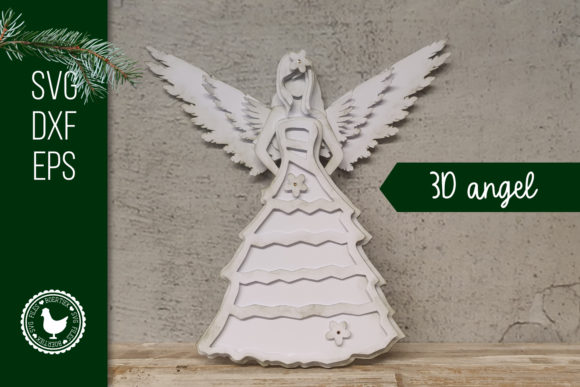
Angel Cardstock 3D: A Comprehensive Evaluation for Crafters
The craft market offers a vast array of digital assets, yet few projects combine the simplicity of paper crafting with the visual impact of three-dimensional design as effectively as Angel Cardstock 3D. This specific project focuses on creating a beautiful vintage-style angel figure using white cardstock. It is designed for users who possess a cutting machine and are looking to produce high-quality, decorative elements without the need for complex assembly or expensive materials. The following evaluation explores the technical specifications, material requirements, and practical applications of this design to help you determine if it aligns with your current crafting goals.
Understanding the Product and Technical Specifications
Angel Cardstock 3D is not merely a pre-made physical item but a comprehensive digital package intended for self-manufacture. The core of this product lies in its file structure, which includes SVG, DXF, and EPS formats. These vector files are essential for compatibility with various electronic cutting machines. The SVG format is particularly versatile, supporting a wide range of software environments including Cricut Design Space, Silhouette Studio Designer Edition, ScanNCut, Sure Cuts a Lot, and Make the Cut. For users operating with the free version of Silhouette Studio, the provided DXF file ensures that the design remains accessible regardless of the software tier being used.
A critical aspect of this project is the absence of a background layer within the digital files. This design choice is intentional, allowing the crafter to cut the angel figure independently or to integrate it into larger compositions where a custom background is required. The inclusion of PDF instructions further supports the user by providing a step-by-step guide for assembly, ensuring that even those new to 3D paper construction can achieve professional results.
Material Requirements and Preparation
Success with Angel Cardstock 3D relies heavily on selecting the correct base materials. The primary recommendation is the use of white cardstock with a weight of 250 grams per square meter (gsm). This specific density is crucial; it is thick enough to hold the structural integrity required for a 3D effect when folded or layered, yet thin enough to be cut cleanly by most consumer-grade cutting machines. Using paper that is too light may result in tearing or a lack of definition, while paper that is too heavy might strain the blades of the cutter.
To achieve the advertised vintage aesthetic, the project requires supplementary tools beyond the cutting machine. A vintage colour inkpad and a sponge are necessary for distressing the edges of the cut pieces. This technique adds depth and an aged appearance, transforming plain white cardstock into a piece with character. Additionally, the assembly process utilizes 3D foam pads. These adhesive spacers are vital for lifting layers off the base, creating the actual "3D" dimensionality of the angel.
For decoration, the design suggests using rhinestones to accentuate flowers. However, the project is designed with flexibility in mind. If rhinestones are unavailable or cost-prohibitive, the package includes supplied circles that can be colored manually. This adaptability ensures that the final look can be tailored to the crafter's budget and available supplies without compromising the overall design.
Benefits and Practical Advantages
One of the primary benefits of choosing Angel Cardstock 3D is the level of customization it affords the creator. Unlike purchasing a mass-produced figurine, a digital file allows for infinite variations in color, texture, and size. By controlling the ink application and the type of cardstock used, the crafter can match the angel exactly to a specific theme, such as a holiday display or a wedding centerpiece.
The inclusion of multiple file formats represents another significant advantage. The ecosystem of cutting machines is fragmented, with different brands utilizing proprietary software. By providing both SVG and DXF files, the creators ensure broad compatibility. This reduces the barrier to entry for users who may not own the most expensive software suites but still wish to utilize their hardware effectively.
Furthermore, the project emphasizes ease of production. The instructions are included in a PDF format, guiding the user through the cutting and assembly phases. This reduces the trial-and-error period often associated with learning new papercraft techniques, making the project suitable for intermediate crafters looking to expand their repertoire.
Considerations and Potential Tradeoffs
While the project is well-designed, there are considerations regarding the time investment. Creating a 3D object from cardstock involves multiple steps: cutting, inking, folding, and assembling. Each layer must be adhered precisely with foam pads to maintain the 3D structure. For users seeking instant gratification or a quick project, this multi-stage process may be perceived as lengthy compared to simpler flat designs.
Another factor to consider is the dependency on specific equipment. To execute this project successfully, access to a cutting machine (such as Cricut or Silhouette) is mandatory. Without this technology, the intricate details of the design cannot be replicated manually with the same precision. Additionally, the requirement for 250gsm cardstock means that standard printer paper will not suffice, adding to the material costs.
The absence of a background file also presents a tradeoff. While this offers creative freedom, it places the burden of composition entirely on the user. Those expecting a complete scene ready to frame may find they need to source additional background elements separately.
Situational Fit and Alternatives
This project is a strong fit for hobbyists who enjoy the tactile nature of paper crafting and have the necessary equipment. It is particularly well-suited for seasonal decorations, scrapbooking embellishments, or handmade greeting cards where a unique, handcrafted touch is desired. The vintage style appeals specifically to those interested in shabby chic aesthetics or nostalgic themes.
However, alternatives may be worth considering depending on specific needs. If a crafter lacks a cutting machine, laser-cut wooden angels or pre-assembled resin figures might be more appropriate solutions. For those seeking a quicker project without the assembly complexity, flat die-cut designs or printable coloring pages would offer a faster turnaround. Similarly, if the goal is a permanent outdoor decoration, paper-based crafts like Angel Cardstock 3D are unsuitable due to their susceptibility to moisture and wear, necessitating weather-resistant materials instead.
Final Decision-Making Insights
Determining whether to proceed with Angel Cardstock 3D ultimately depends on balancing the desire for a unique, vintage-inspired creation against the requirements of time, equipment, and material sourcing. If you already own a compatible cutting machine and have a supply of 250gsm white cardstock, this project offers excellent value and creative potential. The availability of multiple file formats and clear instructions lowers the risk of failure, making it a reliable choice for enhancing your crafting collection.
Conversely, if you do not have the requisite machinery or prefer finished goods over DIY assembly, this digital asset may not meet your immediate needs. By carefully evaluating your current resources and project goals, you can decide if the effort required to assemble this vintage angel aligns with your crafting aspirations.