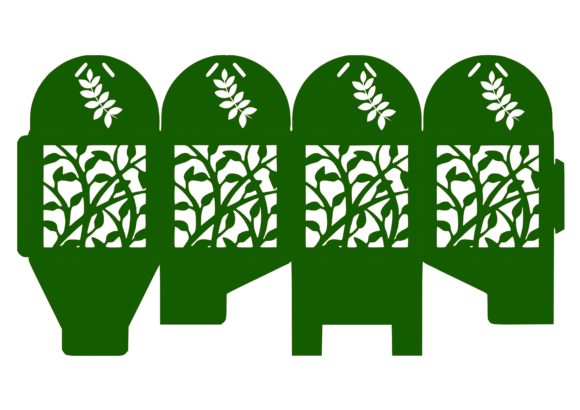
Green Boxes: A Practical Guide to Versatile Digital Cutting Templates
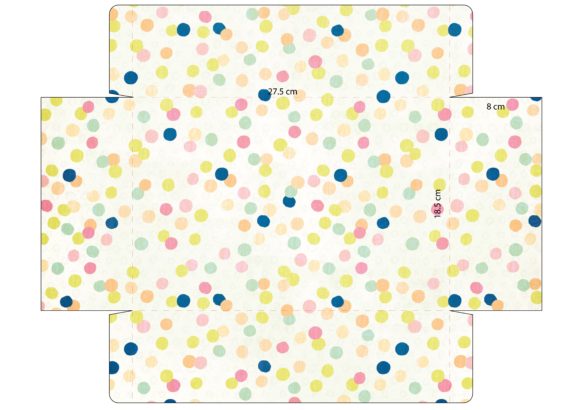
In the realm of digital crafting and DIY design, finding a resource that balances aesthetic appeal with technical versatility is often a challenge. Green Boxes have emerged as a significant category within this space, offering more than just a simple shape or a generic pattern. These files are specifically engineered to serve as foundational templates for creating gift boxes, lanterns, and various decorative structures. Unlike standard vector graphics intended merely for printing, Green Boxes are designed with the mechanical precision required by modern cutting machines, making them a distinct tool for creators who value both form and function.
The core utility of these files lies in their compatibility across the ecosystem of popular cutting software. Whether you are utilizing Silhouette Studio, Cricut Design Space, Sure Cuts a Lot (SCAL), or other industry-standard platforms, the architecture of Green Boxes ensures seamless integration. This broad compatibility addresses a common pain point for crafters: the frustration of purchasing a file only to find it requires expensive proprietary software or complex conversion processes. By adhering to widely accepted formats, Green Boxes remove technical barriers, allowing users to focus on creativity rather than troubleshooting file errors.
Evaluating File Formats and Technical Requirements
When considering any digital asset for physical production, understanding the specific file types included is crucial. The Green Boxes package is comprehensive, providing a multi-format solution that caters to different workflows and skill levels. For those operating advanced cutting machines, the inclusion of an SVG file is paramount. Scalable Vector Graphics allow for infinite resizing without loss of quality, ensuring that whether you are cutting a miniature box or a large-scale lantern, the edges remain crisp and precise.
However, not all projects begin with a cutting machine. Recognizing that some enthusiasts prefer traditional methods, the package includes a PDF file tailored for hand cutters. This allows individuals without access to electronic cutting devices to still utilize the intricate designs. They can print the template and manually cut along the lines, preserving the integrity of the original design through manual dexterity. Additionally, the provision of a PNG file with a transparent background and a high-resolution JPG (300 dpi) offers flexibility for digital planners, scrapbooking software, or graphic design work where a raster image is preferred over a vector path.
It is important to note the delivery mechanism. These resources are typically provided as an instant download contained within a zip folder. This compression method protects the integrity of multiple file types but requires the user to unzip or extract the folder before use. This step is non-negotiable; attempting to open a compressed archive directly within cutting software will result in errors. Once extracted, the individual components—SVG, PNG, JPG, PDF, and the specific Silhouette Original File—become accessible for immediate import.
Comparative Analysis: Digital Templates vs. Traditional Methods
To understand the value proposition of Green Boxes, it is helpful to compare them against alternative approaches to creating similar items. Traditionally, constructing a gift box or lantern involved drafting a pattern from scratch using graph paper, measuring angles, and calculating fold lines. While this method offers total customization, it demands a high level of mathematical precision and time investment. One miscalculation can render the entire project unusable, wasting materials and effort.
Digital templates like Green Boxes eliminate the need for manual drafting. They provide pre-calculated geometry that accounts for necessary tabs, folds, and structural integrity. When compared to buying pre-made physical kits, digital files offer a different set of advantages. Physical kits limit the creator to the dimensions and colors provided in the box. In contrast, Green Boxes allow for unlimited material experimentation. You can choose from a vast array of cardstock weights, textures, and colors, ranging from eco-friendly recycled papers to metallic foils, all while maintaining the exact same structural blueprint.
Furthermore, when evaluating these files against other digital options found online, the distinction often lies in the completeness of the package. Many free or low-cost alternatives may offer only a single format, such as an SVG, leaving users without a printable version for hand cutting. Others might lack the specific native files for certain software, requiring third-party converters that can introduce alignment issues. The Green Boxes approach, which bundles SVG, PNG, JPG, PDF, and native Silhouette files, represents a "best-in-class" strategy for accessibility. It ensures that regardless of the user's hardware or software preference, there is a viable path to execution.
Decision Factors: When to Choose Green Boxes
Selecting the right resource depends heavily on the specific goals of the project. Green Boxes are particularly well-suited for events planning, party decor, and personalized gifting. If you are hosting a wedding, birthday, or corporate event and need consistent, uniform packaging for favors, these templates provide a scalable solution. The ability to produce identical boxes quickly makes them ideal for batch production, a task that would be arduous with manual drafting.
For educators and parents, the inclusion of the PDF and hand-cutting instructions makes these files an excellent educational tool. They can be used to teach children about geometry, spatial reasoning, and fine motor skills without the frustration of difficult-to-follow written patterns. The visual nature of the digital file allows students to see exactly how a 2D surface transforms into a 3D object, reinforcing STEM concepts in a tangible way.
However, there are scenarios where Green Boxes might not be the optimal choice. If your project requires highly custom dimensions that do not align with the standard sizes provided in the template, you may need to start with a blank canvas or purchase a modular system that allows for adjustable parameters. Similarly, if you are working with extremely thick materials, such as heavy corrugated cardboard, you must verify that the cutting force of your machine is sufficient to handle the thickness without damaging the blade or the mat. While the files are designed for versatility, the physical limitations of the cutting medium always apply.
Navigating Compatibility and Workflow Integration
One of the most critical aspects of using these templates is ensuring your workflow is compatible. Before purchasing or downloading, it is essential to verify that your cutting machine supports the specific file formats provided. While SVG is the industry standard for Cricut and Silhouette, older models or budget-friendly brands may struggle with complex vector paths. Users should check their software documentation to ensure they can import the .svg and .silhouette files without issue.
The process of importing these files generally follows a logical sequence. After extracting the zip folder, the user opens their software (e.g., Silhouette Studio or Cricut Design Space) and imports the SVG. The software then renders the lines, distinguishing between cut lines and score lines. For best results, it is advisable to inspect the file within the software before sending it to the machine. This inspection phase helps identify any potential overlaps or missing segments that could cause the machine to skip a cut. Once verified, the material is loaded, and the cut commences.
This structured approach minimizes waste. Because the files are designed for precision, the resulting cuts should fit together perfectly upon assembly. This reduces the trial-and-error phase often associated with paper crafts. However, users should remain aware that environmental factors, such as humidity and temperature, can affect how paper behaves during cutting and folding. Adjusting the pressure settings on your machine based on the material thickness is a necessary step to ensure the cleanest possible edges.
Maximizing Value Through Versatility
The true strength of Green Boxes lies in their adaptability. They are not limited to a single use case. A single file set can be utilized to create small favor boxes for a baby shower, medium-sized gift containers for holidays, or large lanterns for outdoor lighting. The ability to scale the design up or down while maintaining the structural logic of the box means that one purchase can support a wide variety of future projects.
Moreover, the inclusion of the Silhouette Original File suggests a deeper level of optimization for that specific ecosystem. Native files often contain layer information and specific tool settings that generic SVGs might lack, potentially saving time during the setup process. This attention to detail indicates a product developed with the professional crafter in mind, acknowledging that time is a valuable resource in the creative process.
In conclusion, Green Boxes represent a thoughtful convergence of design and technology. They address the needs of a diverse audience, from hobbyists looking for a weekend project to professionals seeking efficient production tools. By offering a comprehensive suite of file formats and ensuring compatibility with major cutting platforms, they lower the barrier to entry for high-quality paper crafting. While no single solution fits every scenario perfectly, for those seeking reliable, versatile, and easy-to-use templates for boxes and lanterns, these files stand out as a robust option that respects the user's time and technical requirements.