Sweet Box: A Versatile Digital Asset for Modern Crafting Workflows
In the rapidly evolving landscape of digital crafting and small business production, efficiency often dictates success. The Sweet Box represents a specific category of digital assets designed to streamline the creation process for physical products. Unlike generic templates that require extensive manual adjustments, this file is engineered to integrate seamlessly into established workflows using Silhouette Studio, Cricut Design Space, Sure Cuts a Lot (SCAL), and other industry-standard cutting software. For professionals and hobbyists alike, understanding how to leverage these files correctly is essential for maintaining consistency and quality in every project.
Understanding the Sweet Box File Structure
The core value of the Sweet Box lies in its multi-format architecture. It is not merely a single image but a comprehensive package designed to accommodate various stages of the production pipeline. When you acquire this asset, you receive a compressed ZIP folder containing distinct file types, each serving a specific function within your workflow. This diversity ensures that regardless of your hardware or software preference, the template remains accessible and functional.
The primary component is the SVG file. Scalable Vector Graphics are the gold standard for cutting machines because they allow for infinite scaling without loss of resolution. Whether you are creating a miniature gift box for a party favor or a large-scale display piece for a retail store, the SVG format ensures crisp edges and precise cuts. This file is compatible with major platforms like Cricut Design Space and Silhouette Studio, allowing users to manipulate lines, layers, and colors before sending the design to the cutter.
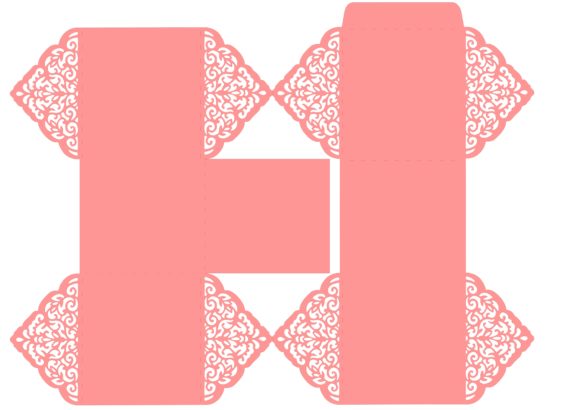
Complementing the vector data is the PNG digital file, which features a transparent background. This format is crucial for visual planning and marketing. If you are a blogger or social media manager documenting your craft journey, the PNG allows you to overlay the Sweet Box design onto different backgrounds for mockups or promotional content without worrying about white boxes obscuring the image. Similarly, the JPG digital file provided at 300 dpi offers high-resolution raster data suitable for printing physical reference guides or sharing on platforms that do not support vector formats.
Preparing Your Workflow Environment
Before engaging with the Sweet Box template, proper preparation is vital to avoid technical bottlenecks. The first step involves ensuring your cutting machine is compatible with the provided file formats. While most modern machines support SVG and PNG, older models may struggle with complex layer structures found in advanced templates. Always verify the software requirements for your specific device before beginning the import process.
Once compatibility is confirmed, the extraction phase begins. The product comes as a compressed ZIP archive to facilitate easy transfer and storage. You must unzip or extract this folder immediately upon receipt. Attempting to use files directly from within a compressed archive will result in errors during the import process. Extracting the contents creates a dedicated workspace where the individual .pdf, .svg, and .jpg files can be accessed independently. This organizational step is often overlooked but is critical for maintaining a clean digital environment.
Integration Across Creative and Business Processes
The utility of the Sweet Box extends beyond simple decoration; it fits into broader operational strategies for creators and entrepreneurs. In a professional setting, time is a finite resource. Using pre-designed templates allows for rapid prototyping and consistent output. For instance, a small business owner selling handmade gifts can utilize the Sweet Box to maintain brand uniformity across multiple orders. By changing the pattern or adding specific crafts to alter the occasion, the same base template can serve Christmas, birthdays, weddings, and corporate events without requiring new designs from scratch.
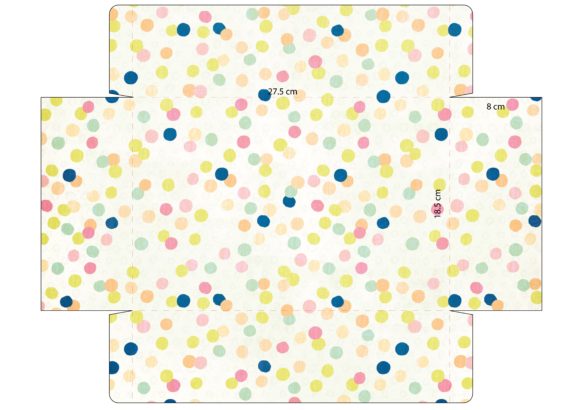
This flexibility supports a "design once, produce many" approach. During the planning phase of a project, the PDF version serves as an excellent reference tool for hand cutters or those who prefer traditional methods over electronic cutting. It provides clear guidelines for scoring and folding, ensuring that even manual assembly aligns with the intended dimensions. This dual approach—digital precision and analog accessibility—makes the Sweet Box a robust tool for teams with mixed skill sets.
Customization and Occasion Adaptation
One of the standout features of this template is its modularity. The design allows users to modify patterns and incorporate additional craft elements to suit specific themes. In a creative workflow, this means you can start with the base Sweet Box structure and layer textures, text, or decorative cutouts to match a client's request. For educators, this adaptability is valuable for teaching lessons on geometry and spatial reasoning, as students can visualize how 2D patterns transform into 3D objects.
When integrating this into a business workflow, consider the customization process as a quality control checkpoint. Before finalizing a cut, review the layers in your software to ensure that all elements are aligned and sized correctly. The ability to change patterns digitally means you can test different color schemes or layouts virtually before committing to expensive materials. This reduces waste and improves the overall efficiency of the production cycle.
Technical Considerations for Long-Term Use
While the Sweet Box offers significant advantages, long-term usability depends on adherence to best practices regarding file management and software updates. As cutting software evolves, file formats may undergo changes. Keeping your software updated ensures that new features are available and that existing templates render correctly. However, it is also prudent to maintain backups of your original extracted files. Software updates occasionally introduce bugs that affect file parsing; having a pristine copy of the original Sweet Box files ensures you can always revert to a known working state.
Consistency in material selection is another factor that interacts with the file's performance. The Sweet Box is designed with specific cut lines and score lines in mind. Using materials that are too thick or too thin can lead to incomplete cuts or inaccurate folds, undermining the integrity of the final product. Therefore, the template should be viewed as part of a holistic system that includes material testing. Before running a full batch of projects, perform a test cut on a scrap piece of the chosen material to verify that the machine settings match the file's requirements.
Maximizing Efficiency in Production
To truly maximize the value of the Sweet Box, users should develop a standardized operating procedure. This might involve organizing files by occasion or project type within your computer's directory structure. For example, creating folders labeled "Sweet Box - Birthday," "Sweet Box - Holiday," and "Sweet Box - Corporate" can save hours of searching time when managing multiple clients. Furthermore, utilizing the .PDF file for hand-cutting tasks can be a strategic move for outsourcing or for situations where electronic equipment is unavailable.
The inclusion of a Silhouette Original file highlights the ecosystem-specific nature of these assets. If you are deeply integrated into the Silhouette community, this native file format offers optimized performance for that specific software environment. Conversely, the universal SVG format ensures that if you switch platforms or collaborate with others using different tools, the project remains viable. This interoperability is a key consideration for freelancers and agencies that may need to share files with partners using diverse technology stacks.
Conclusion on Practical Application
The Sweet Box is more than just a download; it is a foundational element for efficient crafting and production workflows. By providing a suite of compatible files including SVG, PNG, JPG, PDF, and Silhouette Original formats, it addresses the varied needs of modern creators. From the initial planning stages where the PDF serves as a guide, to the execution phase where the SVG drives the cutting machine, and finally to the marketing phase where the PNG aids in visualization, this asset supports the entire lifecycle of a project.
Success with this template relies on proper preparation, specifically the immediate extraction of files and verification of machine compatibility. Once these steps are completed, the focus shifts to creative adaptation and process optimization. Whether you are a solo entrepreneur looking to scale your gift box offerings or an educator seeking interactive learning tools, the Sweet Box provides the structural foundation necessary for high-quality results. By treating this file as an integral part of your broader operational strategy, you can achieve greater consistency, reduce waste, and enhance the overall value of your creative output.