Evaluating Logo Mock-up Pack 16 for Professional Branding Projects
In the competitive landscape of graphic design, the presentation of a logo is often as critical as the design itself. A well-crafted identity can be undermined by poor visualization, while a standard design can appear premium through realistic rendering. This is where Logo Mock-up Pack 16 enters the conversation as a specialized resource for designers seeking to bridge the gap between digital files and tangible reality. Unlike generic templates that rely on flat textures or artificial lighting, this pack distinguishes itself through a rigorous approach to realism, utilizing macro photography and premium materials to create ultra-realistic close-ups.
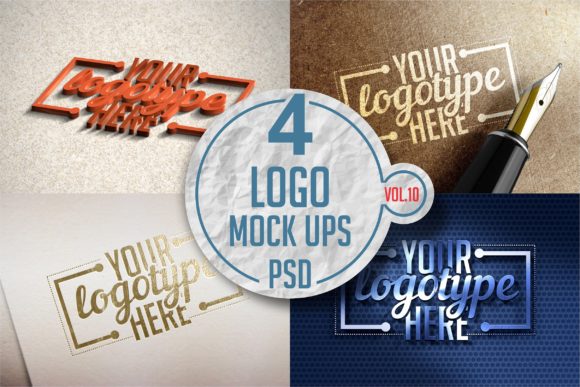
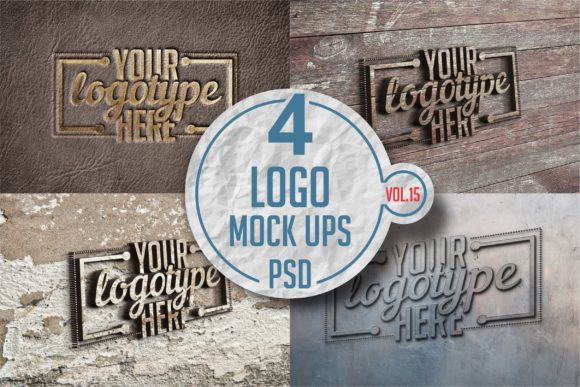
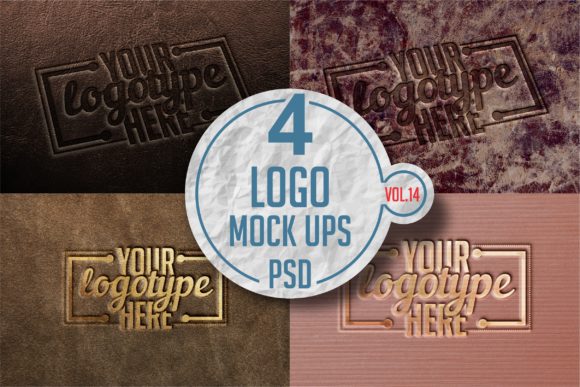
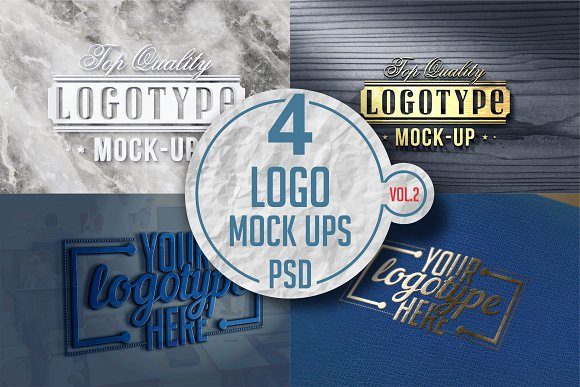
The core value proposition of Logo Mock-up Pack 16 lies in its foundation: real photo-based imagery. By combining special macro lens photography with a curated collection of premium and craft papers, the resulting mock-ups offer depth and texture that are difficult to replicate with purely digital generation. For professionals aged 20–50 who are evaluating tools for client presentations, this level of detail provides a necessary context for how a logo will perform in the physical world. Whether the goal is to showcase a letterpress effect on textured cardstock or a metallic finish on glossy stock, this pack aims to deliver high-resolution results that accurately represent the final product.
Distinguishing Features and Technical Capabilities
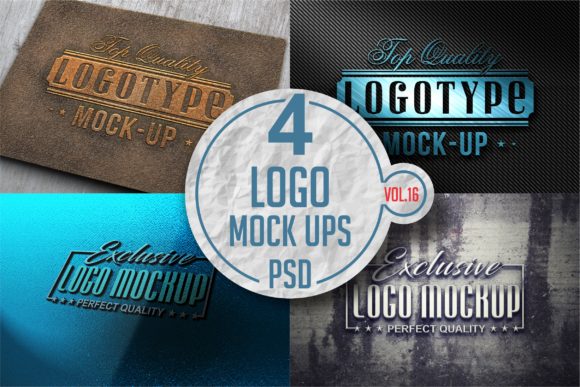
When analyzing the specific attributes of Logo Mock-up Pack 16, several technical features stand out as particularly relevant for serious branding projects. The pack includes four distinct PSD mock-ups per set, each designed to handle different visual requirements. These are not merely static images but fully functional 3D visualization tools. This distinction allows designers to manipulate perspective, lighting, and material interaction in ways that flat images cannot support.
A significant differentiator within this collection is the variety of print effects available. The pack supports color print, classic letterpress, silver letterpress, and gold letterpress simulations. Letterpress printing, in particular, relies heavily on the impression of ink into paper, creating a tactile feel. Digital mock-ups often struggle to capture the subtle depression of the paper fibers and the way light interacts with these indentations. However, because Logo Mock-up Pack 16 is built from real macro photography, it captures these nuances authentically. This makes it an ideal choice for clients who prioritize tactile quality and traditional craftsmanship in their branding.
Furthermore, the pack offers adjustable background colors and depth of field effects. In professional photography, depth of field is used to direct the viewer's attention to the subject while blurring the surroundings. Being able to adjust this parameter digitally allows designers to mimic the aesthetic of high-end editorial photography. This flexibility ensures that the mock-up can adapt to various presentation contexts, from a clean, minimal portfolio view to a more atmospheric, lifestyle-oriented showcase.
Usability and Workflow Integration
One of the most practical aspects of any design tool is the ease of use. Designers often face tight deadlines, and complex workflows can become bottlenecks. Logo Mock-up Pack 16 addresses this through the implementation of Smart Objects. The workflow is straightforward: double-click the Smart Layer, copy and paste the artwork, save the file, and the design updates automatically. This process eliminates the need for manual warping, masking, or layer blending adjustments that can lead to errors or time loss.
This ease of editing is crucial when working with multiple variations of a logo. A designer might need to present a primary logo, a monochrome version, and a secondary mark across different materials. With the Smart Object system, these changes can be made rapidly without altering the underlying texture or lighting of the mock-up. Additionally, the inclusion of a PDF help file provides a safety net for users who may be less familiar with advanced Photoshop techniques, ensuring that the high-quality results are accessible regardless of the user's skill level.
Comparative Analysis: Realism vs. Alternatives
To understand where Logo Mock-up Pack 16 fits in the broader market, it is helpful to compare it against other common approaches to logo visualization. Many available resources rely on vector-based 3D rendering software to generate mock-ups. While these tools offer infinite customization of angles and lighting, they often suffer from a "plastic" look. The lighting can appear too perfect, and the textures may lack the micro-details found in real-world materials.
In contrast, the real photo-based approach of Logo Mock-up Pack 16 trades some infinite scalability for authenticity. You cannot change the angle of the camera after the photo is taken, which is a limitation compared to fully generated 3D models. However, for a designer focused on presenting a logo that looks like it has been physically printed, the tradeoff is usually worth it. The imperfections inherent in real photography—such as slight paper grain variations or natural dust specks—add credibility to the presentation. Clients are increasingly savvy; they can often spot a fake texture immediately. Using a pack based on actual macro photography helps avoid this skepticism.
Another category of alternatives involves free or low-cost mock-up generators. These tools are excellent for quick internal drafts or social media posts where speed is the priority. However, they often lack the resolution required for large-format prints or high-stakes client pitches. The high resolution of Logo Mock-up Pack 16 ensures that even when zoomed in to show the intricate details of a letterpress impression, the image remains crisp. This makes it a superior choice for professional portfolios and formal proposals where image fidelity directly impacts perceived value.
Strategic Use Cases and Decision Factors
Selecting the right mock-up resource depends heavily on the specific needs of the project. Logo Mock-up Pack 16 is best suited for situations where the physical manifestation of the brand is a key selling point. If you are designing stationery, packaging, or merchandise that involves special finishes like foil stamping or embossing, this pack provides the most accurate representation of those effects.
Consider a scenario where a client is hesitant about investing in a premium letterpress business card. Presenting a flat digital image might not convey the luxury associated with the medium. However, showing a high-resolution, macro-shot mock-up that clearly displays the depth of the impression and the texture of the paper can effectively communicate the value proposition. In such cases, the investment in a high-quality pack like this pays dividends in client confidence and project approval rates.
Conversely, there are scenarios where this pack might not be the optimal choice. If the project requires a highly stylized, abstract environment that does not exist in the real world, a fully rendered 3D mock-up would be more appropriate. Similarly, if the budget is extremely limited and the presentation is for a low-fidelity concept review, the extensive features of Logo Mock-up Pack 16 might be overkill. The decision should weigh the necessity of realism against the cost and complexity of the tool.
Evaluating Tradeoffs in Design Resources
Every design resource involves tradeoffs. The strength of Logo Mock-up Pack 16 in terms of realism is also its constraint. Because the base images are photographs, the angles and compositions are fixed. Designers must ensure that their logo placement aligns well with the pre-determined focal points of the macro shots. This requires a bit more planning during the initial design phase compared to drag-and-drop tools that allow arbitrary positioning.
Additionally, the reliance on specific paper types means that the mock-ups are optimized for certain textures. While the adjustable background color adds versatility, the core texture of the paper remains constant across the set. For designers who need to simulate a wide variety of synthetic materials or unconventional substrates, this pack might need to be supplemented with other resources. It excels at representing premium, craft, and traditional materials, but may not cover every possible manufacturing scenario.
Conclusion on Selection Criteria
Ultimately, the choice of a mock-up pack is a strategic decision that balances aesthetic goals, technical requirements, and workflow efficiency. Logo Mock-up Pack 16 stands out as a robust solution for designers who prioritize authentic, high-resolution representations of their work. Its combination of macro photography, diverse print effects, and user-friendly Smart Object technology makes it a valuable asset for professional branding projects.
For those evaluating options, the key is to identify whether the project demands the "realness" that only photography can provide. If the goal is to demonstrate the tactile quality of a brand identity, the advantages of this pack are clear. If the project calls for more abstract or customizable environments, other tools may serve better. By understanding these distinctions, designers can select the right resources to elevate their presentations and deliver results that truly reflect the quality of their designs.