Plants, Factories, Parking Lots and Ware: An Evaluation of Industrial Asset Illustrations
In the realm of digital design and creative assets, finding high-quality imagery that accurately represents industrial infrastructure can be challenging. The collection known as Plants, Factories, Parking Lots and Ware offers a specific solution for designers, scrapbookers, and content creators seeking to depict commercial and industrial environments. This set features isometric 3D perspective views of industrial plants, factories, parking lots, and warehouses. By providing files in versatile formats such as JPG and EPS, this resource aims to serve a wide array of applications ranging from web design to physical papercrafts.
Understanding the utility of these assets requires an evaluation of their visual characteristics, technical specifications, and potential use cases. Whether you are building a website about logistics, creating a wedding invitation with a unique theme, or designing a custom calendar, the decision to utilize this specific asset set depends on how well it aligns with your project requirements.
Visual Characteristics and Technical Specifications
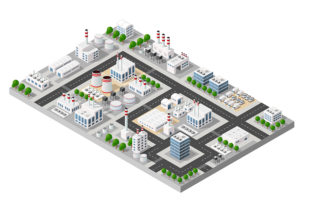
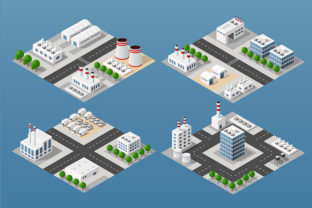
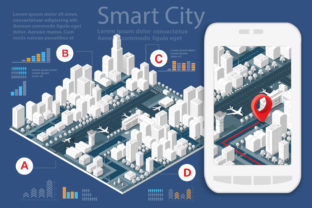
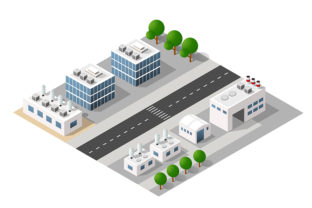
The core appeal of Plants, Factories, Parking Lots and Ware lies in its isometric view. Unlike standard orthographic or perspective drawings, isometric projections allow for a three-dimensional look without vanishing points, making them ideal for infographics, maps, and game design elements. The collection depicts a cityscape containing streets, buildings, trees, and various industrial structures. This composition creates a cohesive environment rather than isolated objects, which is beneficial for background design or scene setting.
Technical versatility is another critical factor. The inclusion of both JPG and EPS formats addresses different workflow needs. JPG files provide immediate usability for raster-based projects like photo editing, web graphics, and quick social media posts. Conversely, EPS (Encapsulated PostScript) files are vector-based, allowing users to scale the images to any size without losing resolution. This distinction is vital for professionals who need to print materials at large sizes, such as banners or signage, where pixelation would otherwise ruin the quality.
- JPG Format: Best for screen display, email newsletters, and quick edits in software like Photoshop.
- EPS Format: Essential for print production, large-scale signage, and scalable graphic design in Adobe Illustrator.
Evaluating Use Cases and Creative Applications
While the subject matter focuses on heavy industry, the application of these graphics extends far beyond corporate presentations. The versatility of the set allows it to fit into diverse categories, including scrapbooking, paper goods, and DIY invitations. For instance, the clean lines and distinct shapes of the factories and warehouses can be repurposed for thematic party favors, cupcake toppers, and labels. In a stationery context, these images work well as address labels, postcards, and personal t-shirts, offering a modern, urban aesthetic.
For event planners, the assets can be adapted for wedding supplies, calendars, and banners. A "factory-themed" baby shower or a corporate anniversary celebration might find these illustrations particularly effective. The ability to use these files for announcements and signage further broadens their scope. However, users must consider the tone; while industrial, the isometric style often softens the harshness of real-world factories, making them suitable for lighter contexts like children's parties or creative workshops.
Benefits and Tradeoffs of the Collection
Selecting Plants, Factories, Parking Lots and Ware involves weighing several benefits against potential limitations. One primary advantage is the ready-to-use nature of the files. High-quality preparation means less time spent on vector tracing or image cleanup, allowing creators to focus on layout and typography. The inclusion of trees and streets adds environmental context, preventing the images from looking sterile or purely architectural.
However, there are tradeoffs to consider regarding customization and specificity. While the set provides a general overview of industrial zones, it may not contain highly specific machinery or branded facilities required for technical documentation. If a project demands photorealistic accuracy or specific brand logos, these stylized isometric graphics may fall short. Additionally, the artistic style is fixed; users cannot easily alter the color palette of the original JPGs without significant editing, though the EPS files offer more flexibility for recoloring within vector software.
Situational Fit: When to Choose This Set
This asset collection is a strong fit for projects requiring a stylized representation of commerce and industry. It is particularly effective when:
- Scalability is required: Projects involving print media, such as large banners, posters, or packaging, benefit significantly from the EPS format included in the set.
- A cohesive cityscape is needed: Designers building a map, a board game, or a blog header will appreciate the consistent isometric perspective across all elements.
- Creative themes are prioritized over realism: For scrapbooking, card design, and papercrafts, the artistic interpretation of factories and parking lots adds a decorative element that photographs cannot.
Furthermore, individuals creating educational materials about logistics, urban planning, or supply chains may find these visuals helpful for simplifying complex concepts into digestible graphics.
Alternatives and Considerations
While this set is robust, it may not be the optimal choice for every scenario. If the goal is hyper-realism for architectural visualization or engineering schematics, stock photography or specialized CAD renders would be more appropriate. Similarly, if a project requires a flat, two-dimensional icon style rather than a 3D perspective, a different asset library focusing on flat icons would be a better investment.
Users should also evaluate the licensing terms before purchasing. Some collections restrict commercial use or require attribution, which could impact the viability of using the images for client work or mass-produced merchandise. Additionally, the file count matters; if a designer needs a vast variety of individual components to build a custom scene, a smaller set might limit their creative freedom compared to a larger, modular library.
Practical Decision-Making Insights
To determine if Plants, Factories, Parking Lots and Ware aligns with your goals, start by defining the end output. If the final product is digital-only, the JPG files are likely sufficient. If the project involves printing on fabric, large signage, or high-resolution paper goods, verify that the EPS files meet your printer's resolution requirements. Consider the aesthetic consistency of your current project; does the isometric style match your existing branding or design language?
Finally, assess the value proposition. The combination of industrial subjects with a playful, accessible isometric style makes this set unique. It bridges the gap between technical illustration and decorative art. For those engaged in papercrafts, web design, or event planning, the ability to seamlessly integrate these elements into invitations, stickers, and labels offers a practical solution for adding visual interest without the cost of custom illustration.
In conclusion, evaluating this collection requires looking past the literal subject matter of factories and parking lots. Instead, focus on the stylistic approach and technical utility. For creators who need high-quality, scalable, and versatile imagery to represent urban and industrial themes in a creative context, this set provides a valuable resource. By understanding the strengths of the isometric format and the flexibility of the provided file types, users can make informed decisions that enhance their projects effectively.