Takeout Container Box: The Ultimate Versatile Tool for Creators and Entrepreneurs
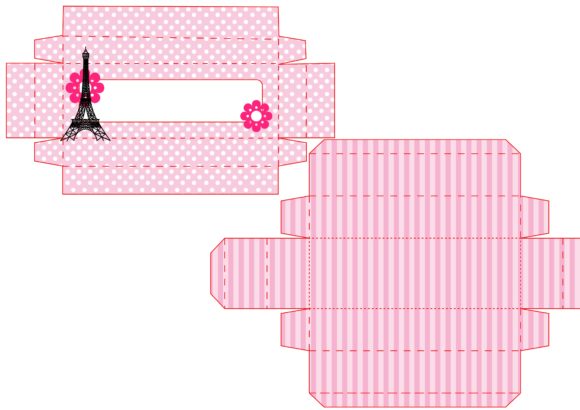
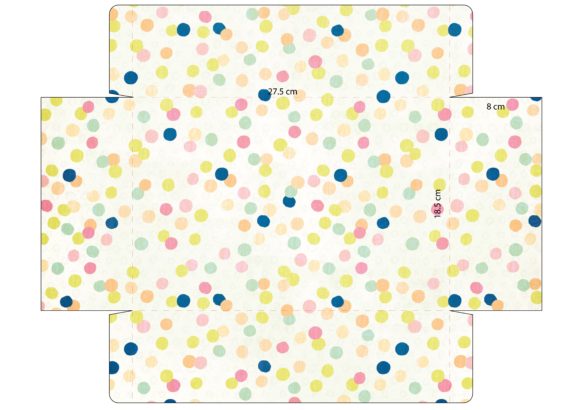
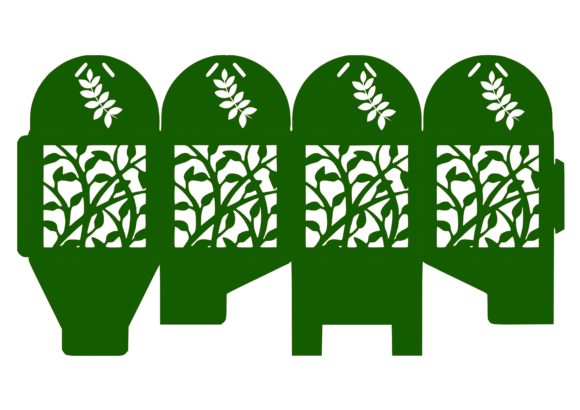
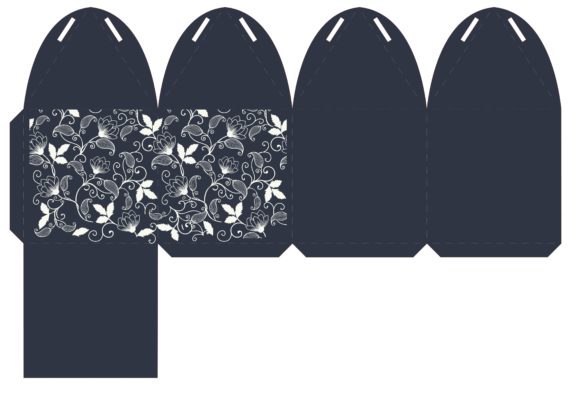
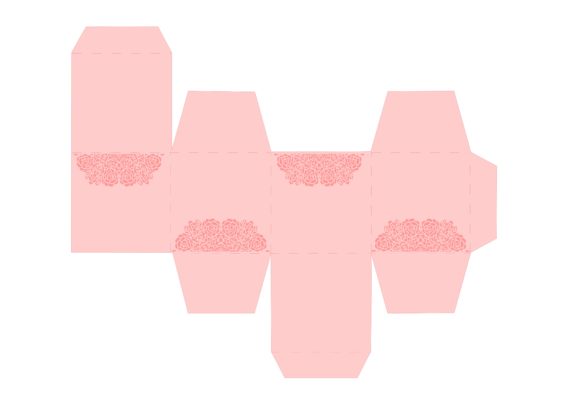
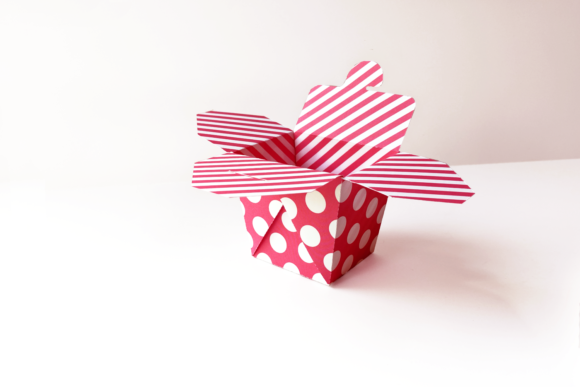
You might be familiar with the classic white cardboard box that arrives with your favorite Chinese takeout or a quick lunch from a local deli. But when we talk about the Takeout Container Box in the context of digital crafting and small business, we are referring to something much more dynamic. This is a digital design asset specifically engineered for electronic cutting machines like the Cricut Explore or Silhouette. It transforms a simple concept into a tangible reality, allowing you to create custom packaging that feels personal, professional, and uniquely yours.
This isn't just about printing a picture; it is about creating functional art. Whether you are a freelancer looking to impress a client with a branded gift, a blogger planning a giveaway, or a small business owner trying to elevate your unboxing experience, this design offers a practical solution. It bridges the gap between digital files and physical products, turning a standard shape into a vessel for creativity.
Why This Design Fits Your Workflow
The true value of the Takeout Container Box lies in its adaptability. In the world of crafting, time is often your most valuable resource. You need tools that integrate seamlessly into your existing process without requiring a steep learning curve or expensive new software. This design is built with that efficiency in mind. It comes pre-optimized for the software you likely already use, ensuring that what you see on your screen translates perfectly to your cutting mat.
When you download this file, you aren't just getting a single image; you are getting a toolkit. The inclusion of multiple formats means you can choose the path that best suits your specific project needs. For instance, if you are running a busy Etsy shop and need to cut hundreds of boxes quickly, the SVG format is your best friend. If you are working in an educational setting where you need to print templates for students who don't have cutting machines, the PNG reference image allows you to maintain visual consistency without the technical constraints of vector cutting.
Understanding the File Formats for Real Results
To get the most out of this design, it helps to understand how each file type functions in a real-world scenario. The SVG (Scalable Vector Graphics) format is the industry standard for machine cutting. When you load this into Cricut Design Space, Silhouette Studio, or Brother ScanNCut, the software reads the lines as cut paths rather than solid shapes. This means you can scale the box up to hold large party favors or down to fit tiny candies without losing any resolution or clarity. The edges remain crisp, which is essential for a professional finish.
For those using older machinery or specialized software like Graphtec or AutoCAD, the DXF (Drawing Exchange Format) is a lifesaver. It ensures compatibility across different ecosystems, allowing you to maintain precision whether you are designing a single prototype or a mass-produced item. Meanwhile, the PNG file serves as a high-quality reference. While you cannot cut with a PNG, it is perfect for printing color mockups, adding text overlays in photo editing apps, or sharing ideas with clients before you commit to cutting materials.
Practical Applications Across Different Lifestyles
The beauty of the Takeout Container Box is that its utility extends far beyond the kitchen. Because of its recognizable shape and sturdy structure, it has become a staple for various creative endeavors. Let's look at how different users leverage this design to solve real problems.
- Party Planners and Event Coordinators: Hosting a birthday party or a bridal shower? Instead of generic bags, use this design to create custom favor boxes. You can cut them from patterned cardstock, fill them with homemade cookies or small toys, and tie them with a ribbon. The distinct shape makes them stand out on a dessert table, adding a touch of whimsy that guests will remember.
- Small Business Owners and Marketers: Unboxing is a critical part of the customer journey. If you sell handmade jewelry, candles, or digital downloads, including a freebie in a branded takeout container adds perceived value. Imagine slipping a handwritten note and a sample product into a box that looks like a mini takeaway meal. It creates a narrative around your brand and encourages social media shares.
- Educators and Teachers: Classroom management and reward systems often require tangible incentives. Teachers can use these boxes to hold "classroom cash," extra credit coupons, or small prizes for good behavior. The DIY aspect allows students to participate in decorating the boxes, making the reward system more engaging and interactive.
- Hobbyists and Crafters: For scrapbookers or card makers, these boxes serve as excellent storage solutions for ephemera like stickers, washi tape, or buttons. They are compact enough to fit in a drawer but large enough to organize specific collections. You can even decorate them to match your workspace theme.
Scenario-Based Use Cases
Consider Sarah, a freelance graphic designer who wants to send her portfolio to potential clients. She prints her business cards and a QR code linking to her work, then places them inside a sleek, black-cut Takeout Container Box. The presentation is unexpected and memorable, setting her apart from candidates who simply email a PDF. Or think of Mike, a home baker who sells cupcakes. He uses the design to create eco-friendly packaging for his side-selling of macarons, offering a sustainable alternative to plastic clamshells while maintaining a charming, rustic aesthetic.
In another scenario, a non-profit organization might use these boxes for a fundraising campaign. They could fill them with informational brochures and donation forms, distributing them at community events. The familiar shape invites curiosity, making people more likely to pick up the box and explore its contents compared to a standard flyer.
What to Consider Before You Start Cutting
While the Takeout Container Box is versatile, successful execution requires a bit of preparation. The first thing to consider is your material choice. The design works beautifully with cardstock, chipboard, and even thin wood veneer, depending on the strength you need. If you are using the box for heavy items, opt for a thicker material and reinforce the folds. For lightweight party favors, standard 65lb cardstock is usually sufficient and easier to cut through.
Another crucial factor is assembly. Unlike a printed PDF that you fold along pre-scored lines, a cutting machine creates precise cuts. Depending on the complexity of the design, you may need to score the fold lines manually or use a scoring tool attachment on your machine to ensure clean, sharp creases. Taking the time to score properly prevents the box from bulging or tearing when assembled.
You should also think about customization. Since the SVG file is editable, you can add your own logos, text, or decorative elements before sending it to the cutter. However, be mindful of the spacing. Adding too much detail to a small box can make it difficult to assemble or clutter the final look. Keep the design balanced to ensure the structural integrity remains intact.
Finally, consider the environmental impact. One of the biggest advantages of this approach is the ability to choose sustainable materials. By cutting your own boxes, you avoid the waste associated with mass-produced plastic packaging. You can use recycled paper or biodegradable options, aligning your craft with modern values of sustainability and responsibility.
Ultimately, the Takeout Container Box is more than just a file; it is a catalyst for creativity. It empowers you to turn a mundane object into a statement piece, whether that statement is a thank-you note, a marketing strategy, or a fun party favor. By understanding the capabilities of the different file formats and applying them to your specific needs, you can unlock a world of possibilities that go well beyond the boundaries of a standard digital download.